

This story was partly adapted from a Kannapolis news release.
The City of Kannapolis and the City of Concord have reached an agreement to maintain all CK Rider Transit routes, stops and weekend service through Fiscal Year 2026-27, reversing a series of proposed service reductions that sparked widespread public opposition from riders and community members.
The agreement follows months of negotiations between the two cities and preserves existing transit services while officials continue evaluating ways to improve system efficiency and long-term financial sustainability.
“We are very pleased that we have worked with our Concord partners to maintain all Rider Transit routes and stops at their current levels,” Kannapolis City Manager Wilmer Melton said. “All routes, stops and weekend service will remain unchanged for Fiscal Year 2026-27.”
Concord City Manager Lloyd Payne also welcomed the agreement and emphasized the importance of maintaining transit service for residents who depend on it.
“Rider Transit isn’t a luxury, it’s a necessity for thousands of our residents who rely on it every day to get to work, school, church, to their doctor’s office, the grocery store, and other essential places,” Payne said. “We heard from so many in our community over the last several months who rely on the transportation services provided by Rider Transit, and we are thrilled our partners in Kannapolis have agreed to fully fund transit operations and continue all current system routes and schedules.”
The decision marks a significant shift from earlier proposals that would have reduced service across the system.
As previously reported by The Cabarrus Compass, Kannapolis officials had proposed eliminating the Brown Route and ending weekend service on the Blue and Green routes as part of a broader effort to reduce the city’s transit spending. Under the proposed fiscal year 2027 budget, Kannapolis sought to reduce its contribution to the system from approximately $1.4 million to $733,000 — a decrease of nearly 48%.
City leaders argued the changes were necessary to better align Kannapolis’ financial contribution with its share of ridership and to address rising transit operating costs. The city was also looking at alternative models such as microtransit.
The proposal to reduce service generated immediate backlash from riders, transit advocates and several community leaders, including former Kannapolis Mayor Darrell Hinnant. During recent Kannapolis city council meetings, residents warned that service reductions would disproportionately affect people who rely on public transportation to access jobs, medical appointments, grocery stores and other essential services.
During a public hearing last week at the Rider Transit Center in Concord, riders repeatedly expressed concerns that the proposed cuts would leave them without reliable transportation.
“I’m not going to have a way to get to work on the weekends,” Kannapolis resident Anita Acker said, noting that she depends on the Green Route to travel to her job.
Laverne Graves, a minister who is homeless and relies on public transit, warned that the proposed cuts would have far-reaching consequences.
“There will be more homeless people,” Graves said. “People will lose their jobs.”
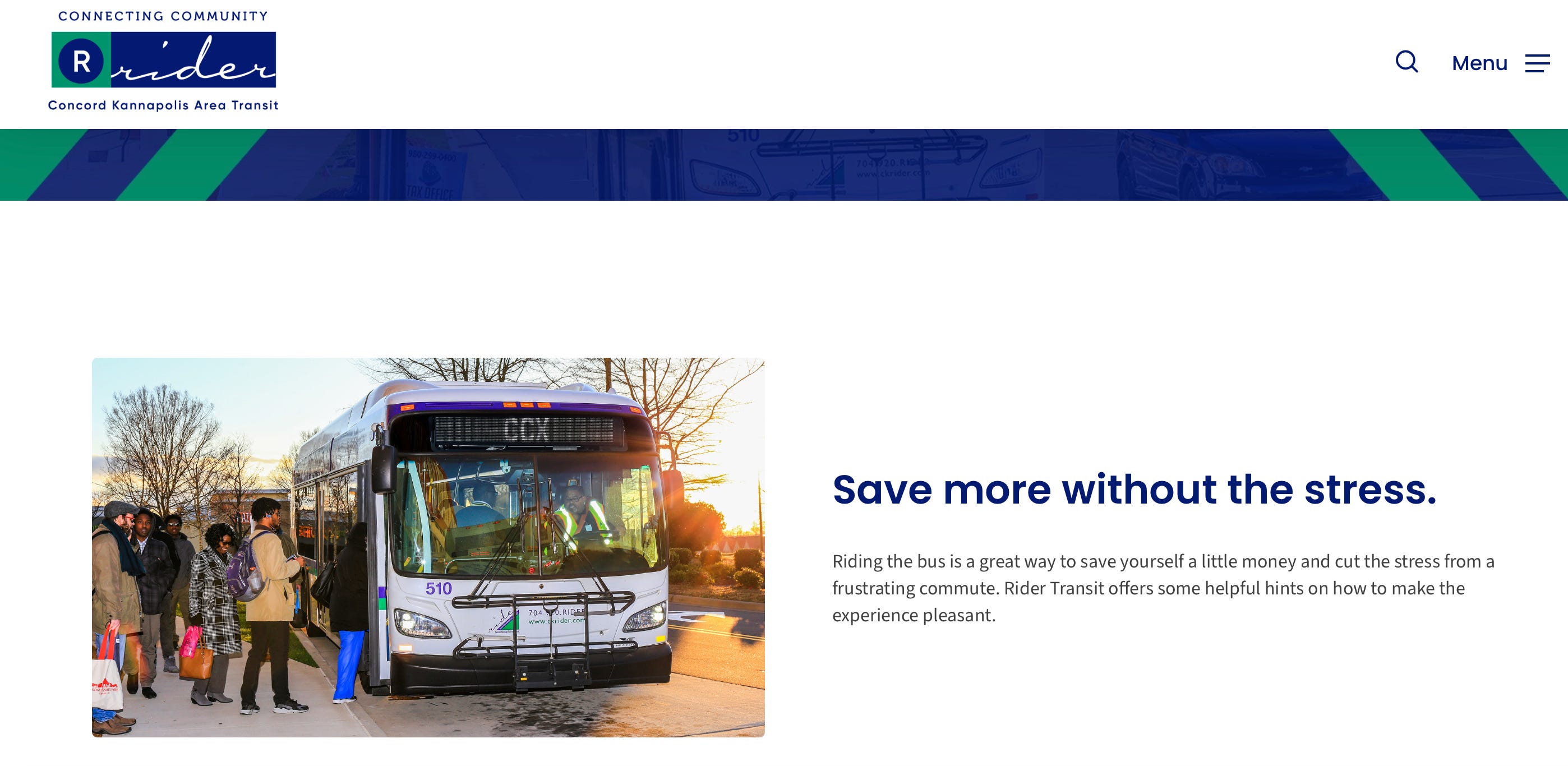
Rider Transit currently operates eight fixed routes throughout Concord and Kannapolis, providing service seven days a week and serving nearly 400,000 passenger trips annually.
The agreement between Concord and Kannapolis also includes proposed systemwide fare increases, which remain under evaluation and will be presented to the public in the coming months. If approved, the changes would mark the first fare increase for Rider Transit since 2012.
Over the next fiscal year, officials from both cities will continue working together to evaluate the transit system and identify opportunities to improve service, efficiency and long-term financial sustainability.
“We are experiencing the rising costs of every item needed for the Rider Transit service,” Melton said. “Just like your household budget, Rider Transit budget costs are rising.”
Melton said the agreement is the result of months of collaboration between the two cities and consultation with transit professionals from around the country.
“We understand thousands of people depend on Rider Transit. We know having a reliable bus service that arrives on time with minimum delay is critical,” Melton said. “We have worked hard to maintain the high quality of service Rider Transit is known for. This is the result of many long months of meetings with City of Concord staff.”
“We are committed to working to find the best long-term solution for our community,” Melton added.
Glad they came to their senses. Those cuts were going to disproportionately affect some of our most vulnerable citizens.
Best news I’ve heard in a while. We have two church members we would have lost if these weekend changes had gone into effect. They bus from Kannapolis to Concord. Obviously it would have negatively impacted many citizens.