

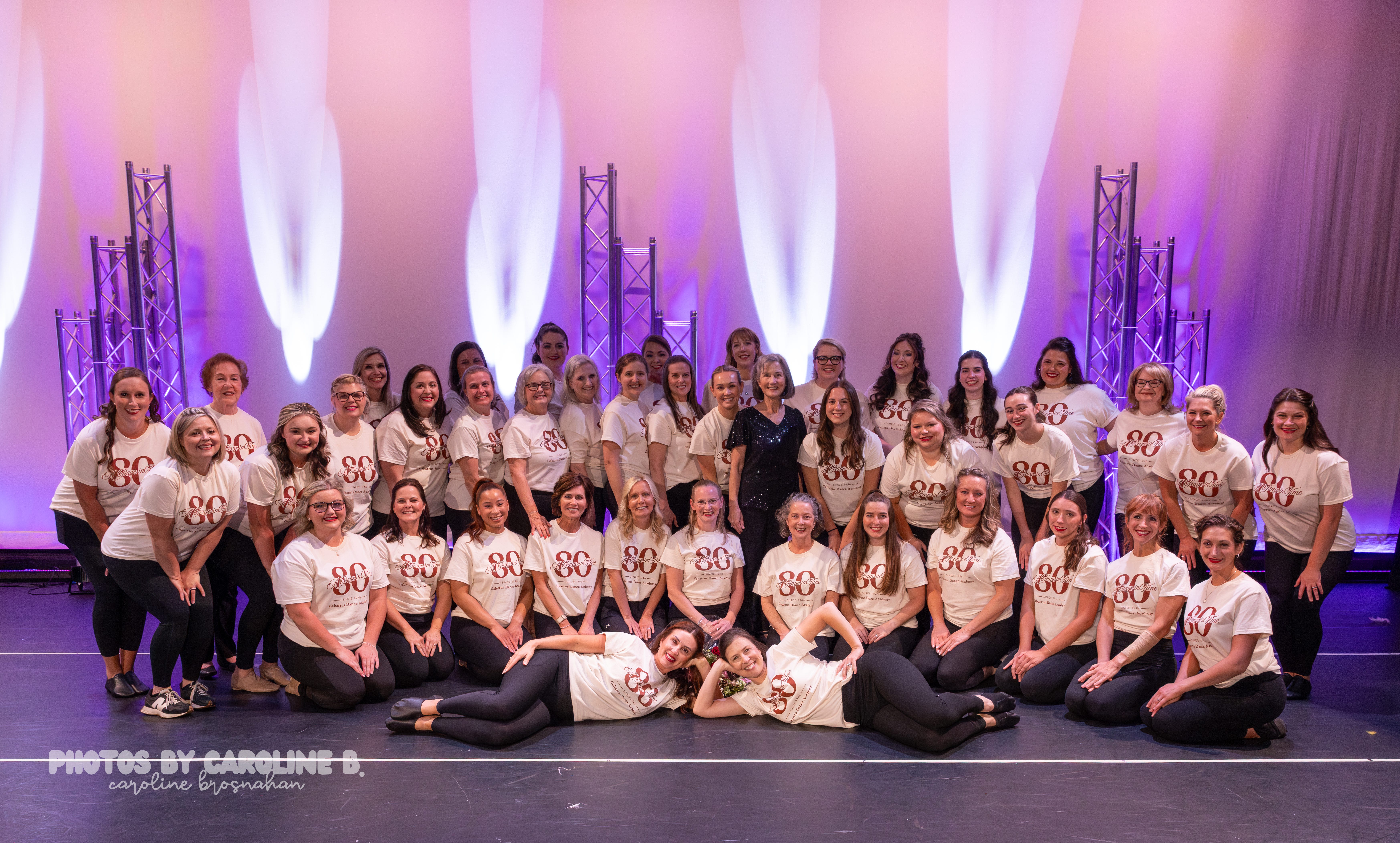
At Cabarrus Dance Academy’s annual recital on May 1 and 2 at the Kannapolis Performing Arts Center, dancers who first took the stage decades earlier returned once again beneath the lights.
Some were even in their 70s.
Throughout the evening, dancers of all ages shared the stage — from young children just beginning their dance journey to Lee-ettes, the studio's high school tap ensemble modeled after the Radio City Rockettes, and roughly 45 alumni who reunited for a special performance celebrating the studio's rich history.
And what a history it is.
Together, the dancers marked a milestone few arts institutions — let alone dance studios — ever reach: 80 years in business.
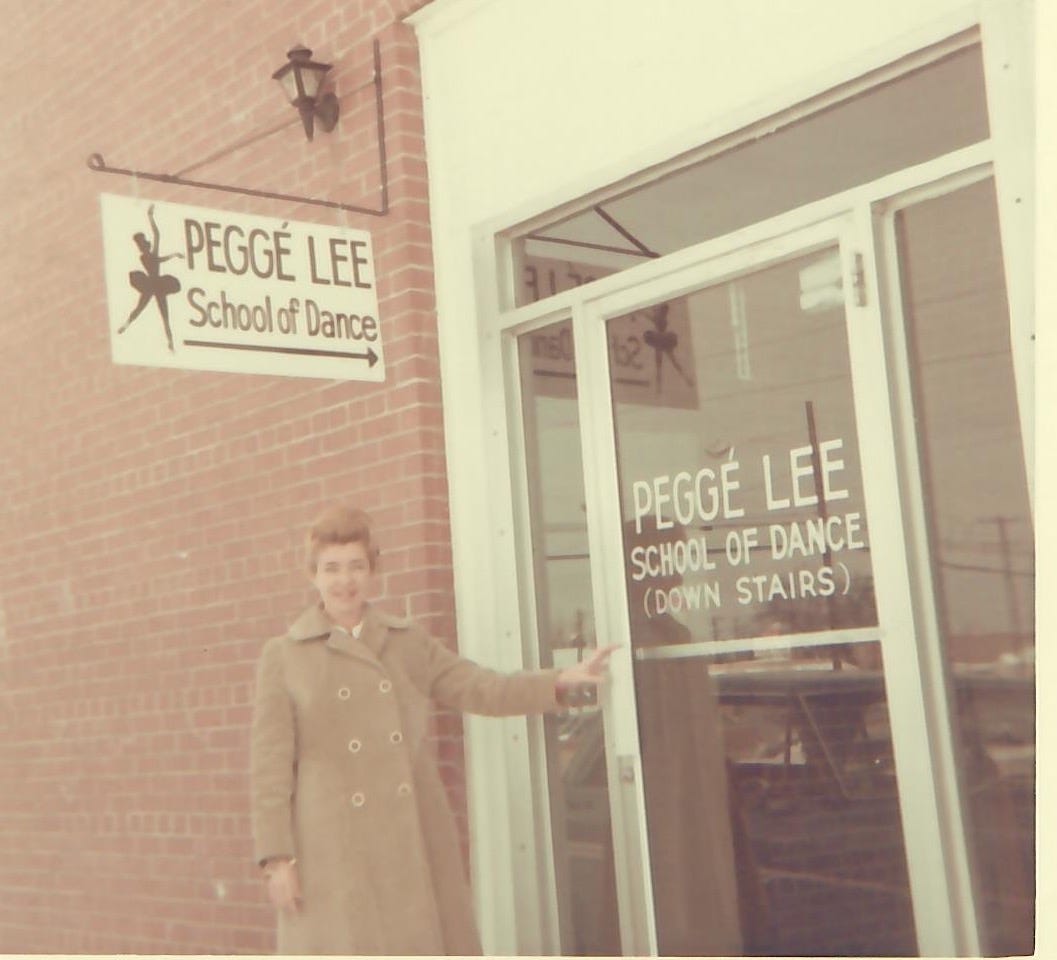
For decades across Cabarrus County, the studio, formerly known as the Peggé Lee School of Dance, has been far more than a place to learn choreography. It has been a second home, a creative outlet and, for many generations of young dancers, a place that shaped their confidence and identity.
Founded in 1946 by Peggé Lee Haywood — known to her students simply as “Miss Peggé” — and later carried forward by her former student Tammy Jordan, or “Miss Tammy,” Cabarrus Dance Academy has taught thousands of dancers and become a fixture in the lives of local families.
“It was wonderful,” Jordan told The Cabarrus Compass about the alumni coming back for the recital. “It was so rewarding to see all of these former students and dancers.”
The recital itself reflected the studio’s deep sense of tradition. Much like performances stretching back decades, it began with “Another Op’nin’, Another Show” from Cole Porter’s 1948 musical Kiss Me, Kate and closed with Irving Berlin’s “There’s No Business Like Show Business” from the 1946 musical Annie Get Your Gun — familiar songs first established by Haywood that have connected generations of dancers at the studio.
Today, the non-competitive studio, located at 2810 Poplar Tent Road, Suite 100, serves more than 400 dancers each season, ranging from toddlers to high school seniors. Classes include ballet, tap, jazz, hip hop, sacred dance, modern/contemporary and acrobatics, along with offerings for adults.
Many of the instructors first came through the doors as young dancers themselves.
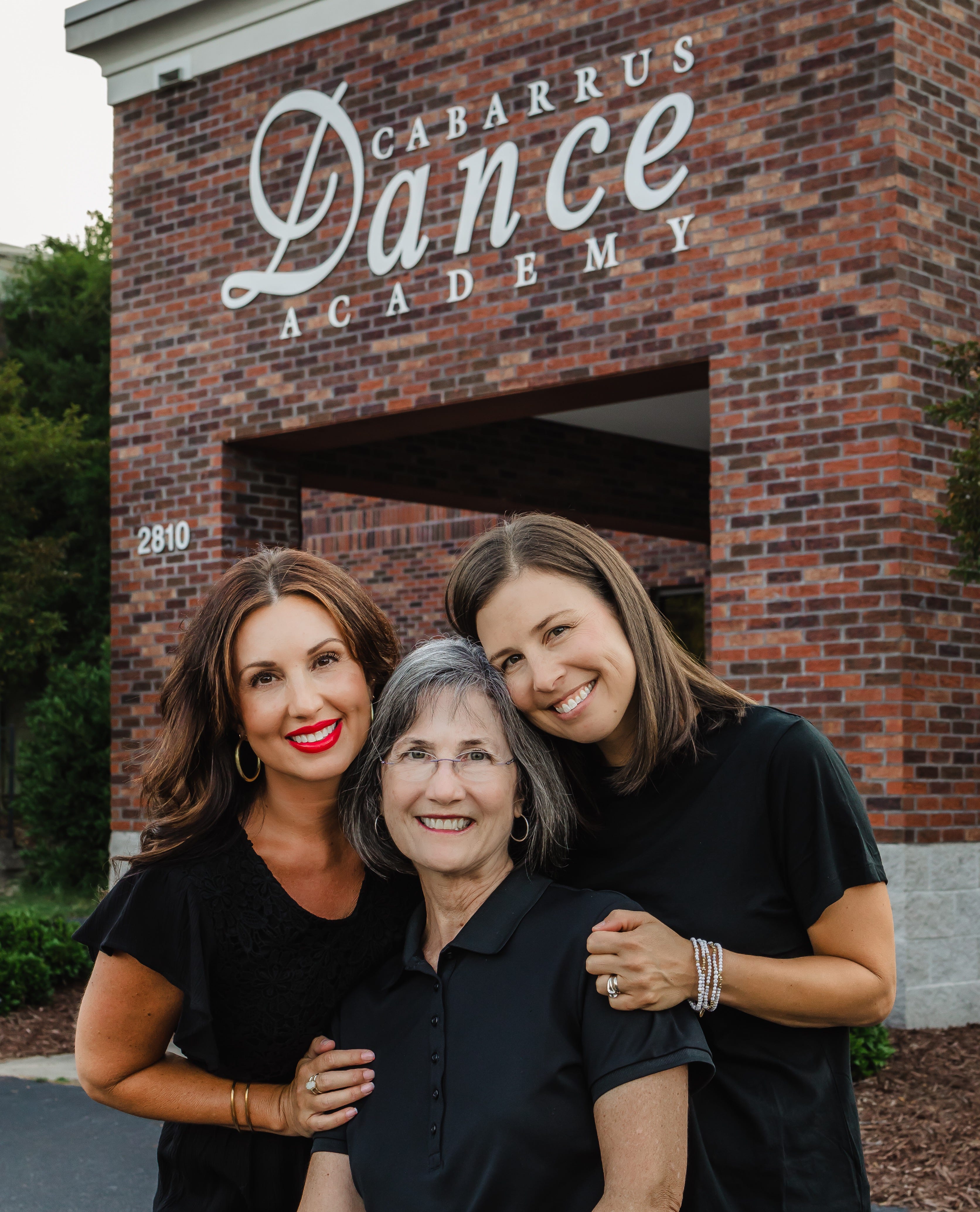
“It’s really awesome to see the different generations in the studio,” said Laurie Flora, Jordan’s daughter and one of the studio’s instructors. Flora and her sister, fellow instructor Jennifer Wedner, both grew up dancing at the studio.
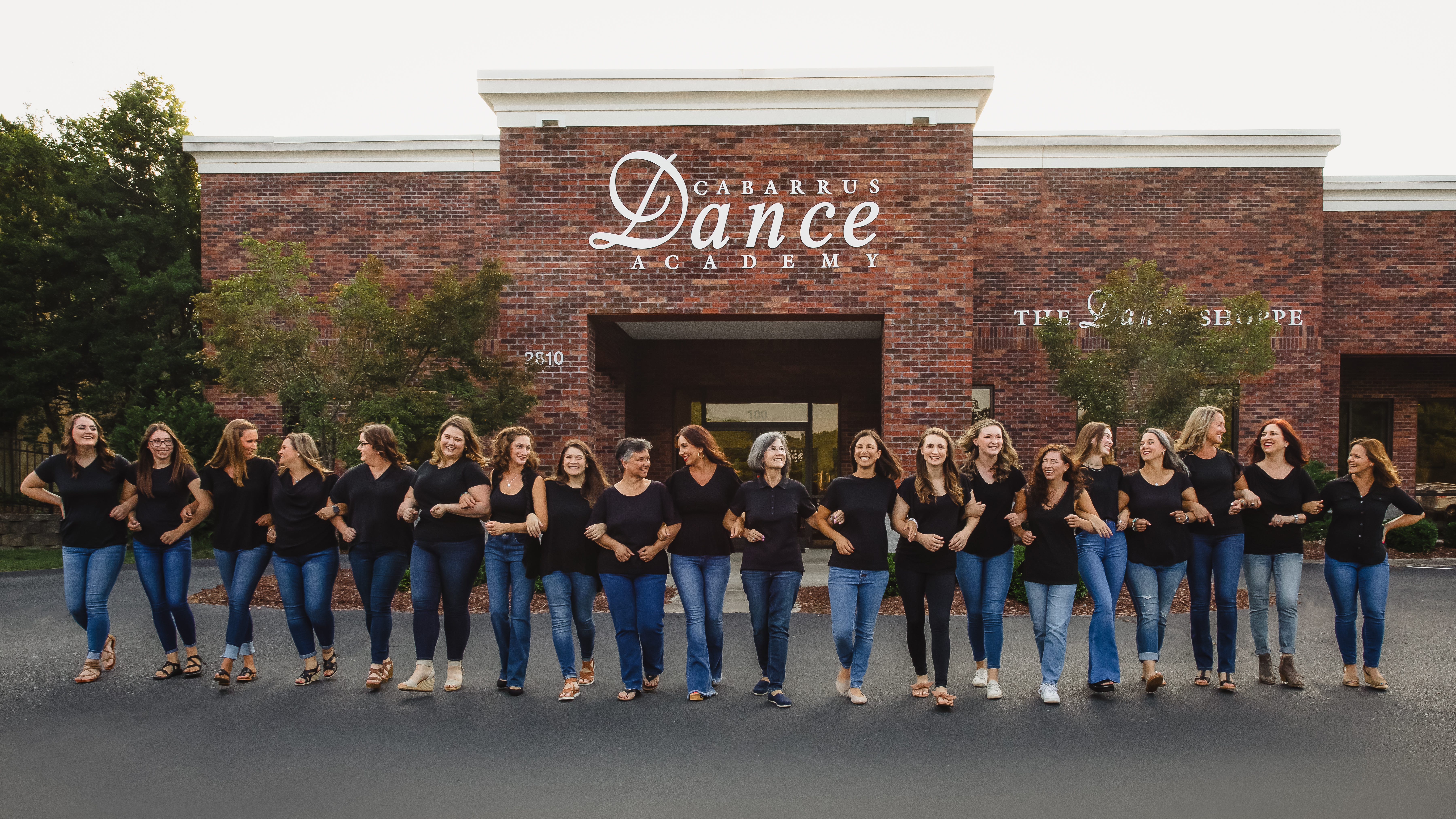
The studio, the oldest continuously operating dance school in Cabarrus County, has become a family tradition for many local residents, with former students later enrolling their own daughters and granddaughters.
While Cabarrus Dance Academy has evolved over the years — adding new dance styles, expanding opportunities for adults and adapting alongside new generations of students — the studio remains deeply rooted in the traditions and philosophy established by Haywood eight decades ago.
Today, the studio emphasizes not only technical dance instruction, but also confidence, creativity, discipline and personal growth — values Jordan believes are just as important as learning choreography.
“I feel like a dance studio is more than teaching steps,” Jordan said. “It is a structured environment that can give children confidence and a place to belong.”
Jordan said a parent recently told her the studio helped save her child’s life.
“It’s the constant and it’s where they can go and not be judged,” Jordan said. “That’s the environment we want.”
Building a legacy
Peggé Lee Haywood was just 19 years old when she opened her dance studio in downtown Concord in the fall of 1946 after studying dance in New York City. It later moved to the basement of her home on Glendale Avenue.
In 1970, the studio relocated to the now-iconic basement of Haywood Richmond Hardware on Davidson Drive, where generations of Cabarrus County dancers would eventually take classes, rehearse and perform.
Beyond Cabarrus County, Haywood became a respected figure in the dance world through her work with Dance Masters of America, one of the oldest and largest dance teacher organizations in North America, and through connections she built across the country.
“She was able to open doors for her students in dance,” Jordan said.
Though Haywood never had children of her own, Jordan said she treated her students like family, often referring to them as her “dancing daughters.”
“That’s the way she felt about her students,” Jordan said.
Haywood was known for being formal, disciplined and impeccably dressed. In all her years studying under and working alongside her, Jordan said she only ever saw Haywood wear a pair of slacks once.
Haywood carried a presence that naturally commanded attention.
“Everybody knew where they stood with Miss Peggé,” Jordan said. “When she would come into a room, everyone stood a little straighter.”
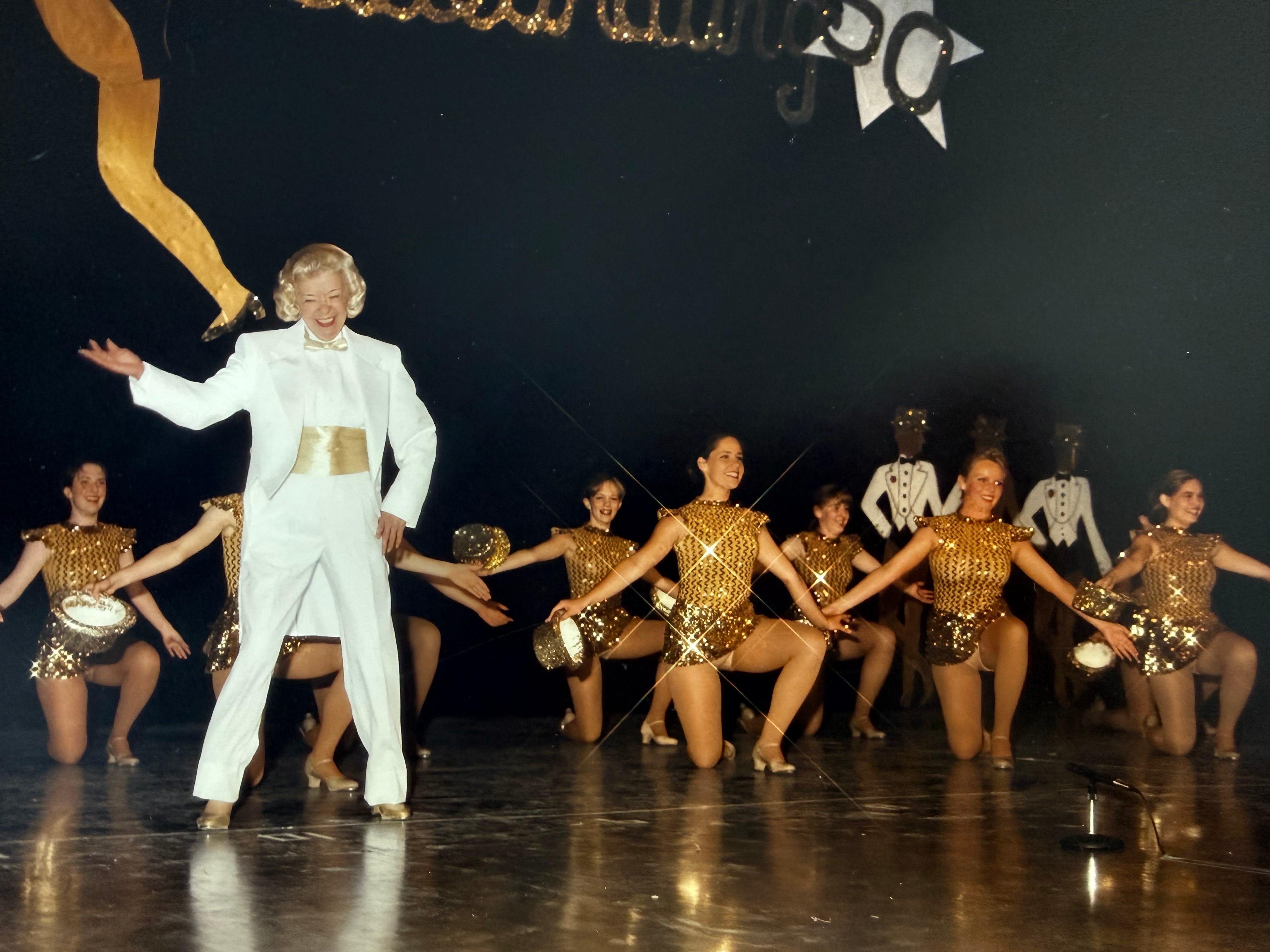
Jordan, who began taking dance lessons at age 3 in 1960, idolized her teacher so deeply that she would go home and pretend to smoke cigarettes with a pencil because Haywood smoked during classes.
“I wanted to be her so badly as a little kid,” Jordan said.
Though naturally shy and reserved as a child, Jordan said dance quickly became a constant in her life — much like it has for generations of young girls across Cabarrus County.
Much of that, she said, was because of Haywood.
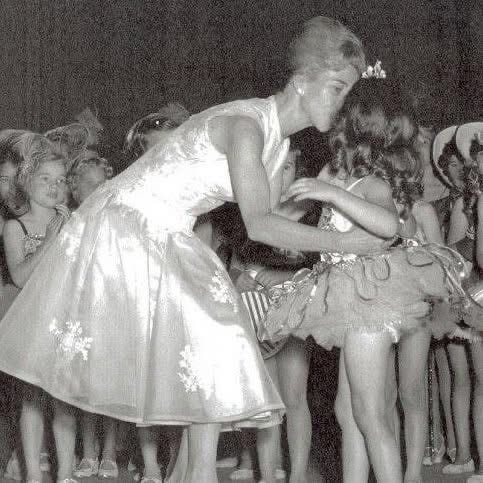
Haywood often selected students to perform at community events, march in Christmas parades and learn from nationally known dance instructors she brought to the studio.
“She made us feel special,” Jordan said.
Stepping out of the shadow
Jordan studied under Haywood for 15 years before graduating from high school. Though she once planned to study French in college, dance continued pulling her back.
Jordan returned to the Peggé Lee School of Dance as an instructor in 1980, though the transition was intimidating.
“I was afraid,” Jordan said, noting she was much younger than many of the other instructors — some of whom had once taught her. “It took a while to feel like an equal to them.”
Still, Jordan threw herself into every opportunity Haywood gave her, eager to learn as much as she could from her mentor.
“I was just like, ‘Miss Peggé, teach me. I want to have my own studio someday,’” Jordan said.
What Jordan did not realize was that Haywood and her husband had quietly sold the building and were preparing for retirement. One night in 1986, Haywood unexpectedly called Jordan and asked whether she wanted to buy the studio as she prepared to step away from teaching.
“I was scared to death,” Jordan said.
Jordan was stunned that Haywood had chosen her to continue the business. But Haywood assured her they could make it work, even creating a payment plan that allowed Jordan to gradually purchase the studio over several years.
The transition, however, was far from easy.
Several instructors left after Jordan took over, and many longtime families struggled with the idea of anyone other than Haywood leading the studio.
“It was hard,” Jordan said of trying to step out from under Lee’s enormous shadow. “But I was determined.”
Jordan said even small changes were often met with resistance.
“People were like, ‘That’s not how Miss Peggé did it,’” she recalled.
Still, Haywood, who died in 2005, remained supportive throughout the transition.
“She was always eager to help me if I needed help,” Jordan said.
A new era
After decades operating out of the basement of Haywood Richmond Hardware, the studio reached another crossroads in 2005 when the building was sold again and the new owners informed Jordan she had six months to relocate.
Jordan searched for a new rental space but struggled to find an affordable option. The uncertainty left the future of the studio in question.
At one point, Jordan seriously considered closing the studio altogether.
But her daughters quickly pushed back.
“Laurie said, ‘Mom, you can’t do this. We’re all involved in this. You can’t close the studio. We’ve got to do something,’” Jordan recalled.
Instead, the family built a new studio on family-owned property along Poplar Tent Road next to Frye's Roller Rink. The facility opened in the spring of 2007, marking the end of an era as students and instructors transitioned from the longtime basement studio in the middle of the dance season.
“It was definitely a leap of faith,” Jordan said. “We built it, we prayed a lot and they came.”
The new facility, complete with four studio rooms and an on-site dance shop, marked a significant expansion from its former home.
The move also marked a symbolic shift for the business. Jordan renamed the studio Cabarrus Dance Academy, wanting the identity to reflect the broader community and generations of dancers who had passed through the doors.
“If I’m ever going to make this truly my own … don’t make it about a person, make it about the community,” Jordan said. “Name it something that associates it here in the community.”
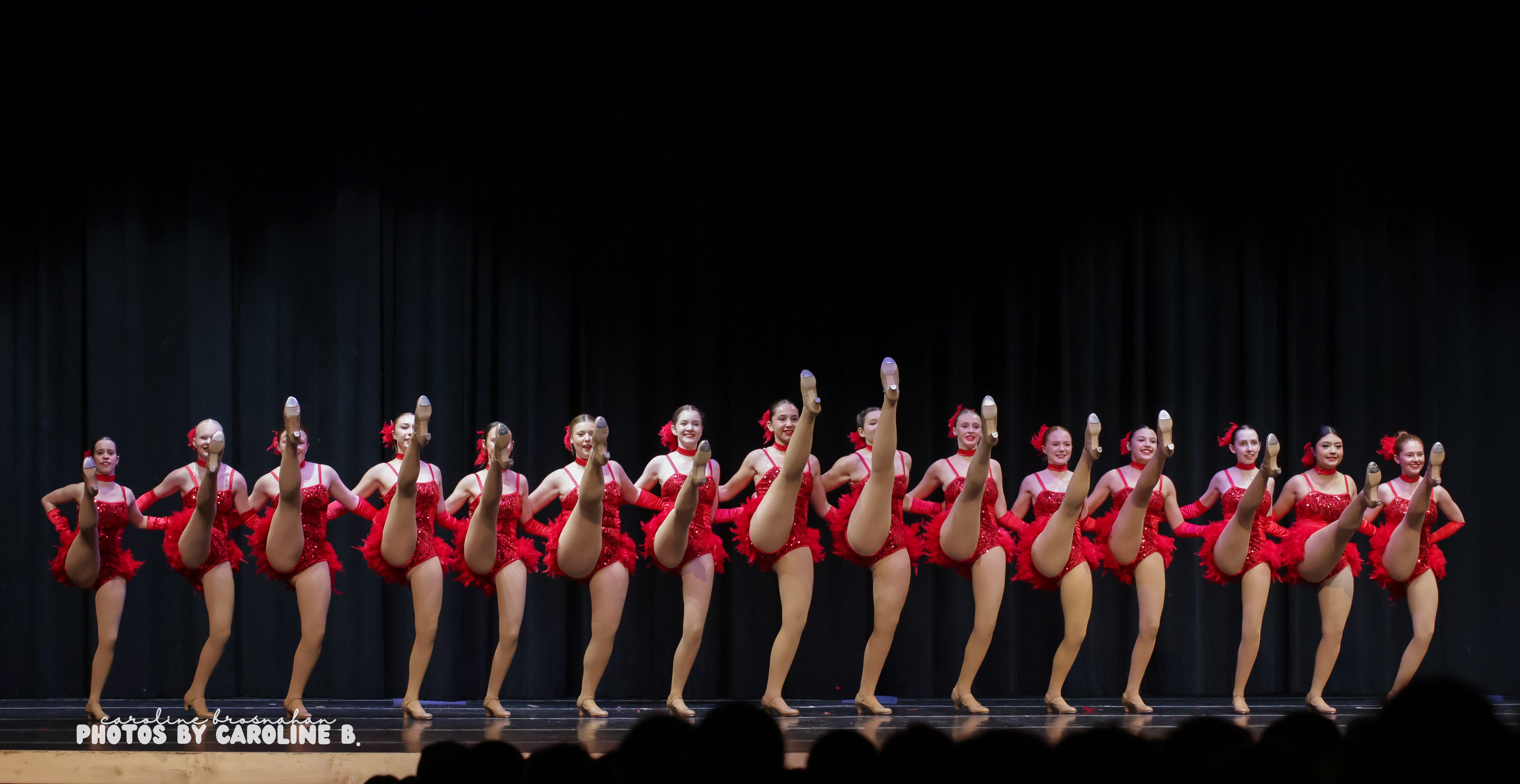
Today, much of the day-to-day leadership has gradually shifted to Jordan’s daughters, Laurie Flora and Jennifer Wedner.
“My sister and I both still teach and we teach a lot,” Flora said. “We do a lot of the administrative stuff too.”
Unlike their mother, neither Flora nor Wedner were directly taught by Miss Peggé — a reminder of how much time has passed since the studio’s earliest years.
Still, dance was simply part of everyday life growing up.
“It was just what I knew,” Flora said. “It’s what I always did … I loved to dance and that’s where Mom always was.”
Jordan admitted balancing motherhood with running a dance studio was not always easy, but she treasured being able to share the studio with her daughters and watching them develop the same love for dance that shaped her own life.
While Wedner always envisioned a future teaching dance, Flora originally planned a different path and studied fashion merchandising in college.
“It was not on my radar at all,” Flora said about eventually returning to the studio. “It’s what I had done all my life and I was just ready to get out and do my own thing.”
But plans changed when one of the studio’s instructors went on maternity leave shortly after Flora graduated from college and Jordan asked her to temporarily step in.
She never left.
“I just didn’t expect to love it as much as I did,” Flora said.
Dancing through generations
Flora’s story is far from unique.
For decades, Cabarrus Dance Academy has been woven into the lives of local families across multiple generations — something Karen Griggs understands better than most.
Her family became the first to have five generations attend the studio.
Griggs began taking ballet lessons with Haywood when she was 8 years old and danced there for four years before stopping because of an injury.
“I don’t think that I knew there were other dance opportunities,” Griggs said. “Peggé Lee was it.”
More than anything, Griggs said she loved the camaraderie of being around other young girls, many of whom she only saw at the studio because they attended different schools.
“This was the one thing that I got to do that I got to meet girls my age that went to other schools and had other experiences,” Griggs said.
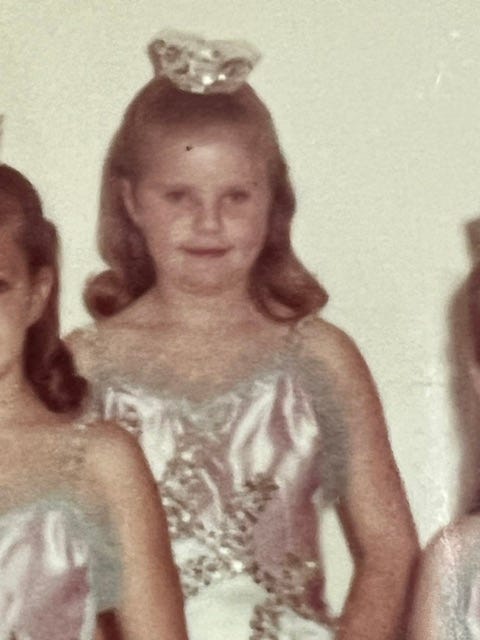
Griggs represented the third generation in her family to attend the Peggé Lee School of Dance, following both her mother, Jane Mills, and grandmother, Rachel Linker. While Mills danced there as a child, Linker took classes from Haywood as an adult.
Griggs still remembers telling Haywood that she was the third generation in her family to attend the studio. After mentioning both her mother and grandmother, Haywood quickly pointed out that Linker had attended “obviously as an adult,” Griggs recalled with a laugh.
The tradition continued with Griggs’ daughters, Lizzie Fowler and Ali Vincent, who both studied ballet, tap and jazz at the studio.
Now, Vincent’s children — 8-year-old Murphy and 5-year-old Ward — are also enrolled at Cabarrus Dance Academy.
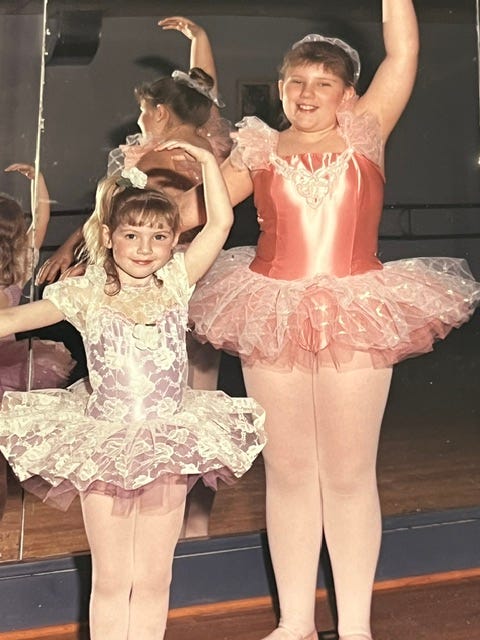
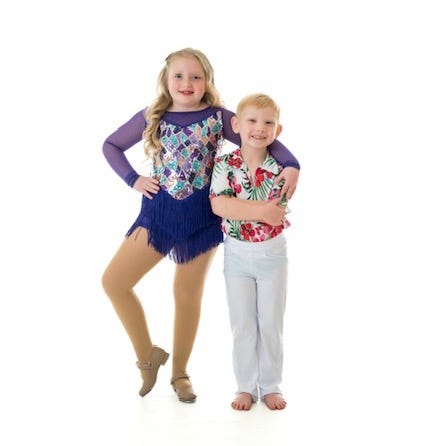
More than anything, Griggs said she feels pride watching her daughters and grandchildren continue the tradition.
“The first time I saw Lizzie tap down the aisle as a Lee-ette, I got a little choked up,” Griggs said.
To Griggs, the studio’s longevity comes down to the people who have led it across the many decades.
“They’re about making children love dance, that’s their focus,” she said. “It is about the love of dance and the integrity of the people running it.”
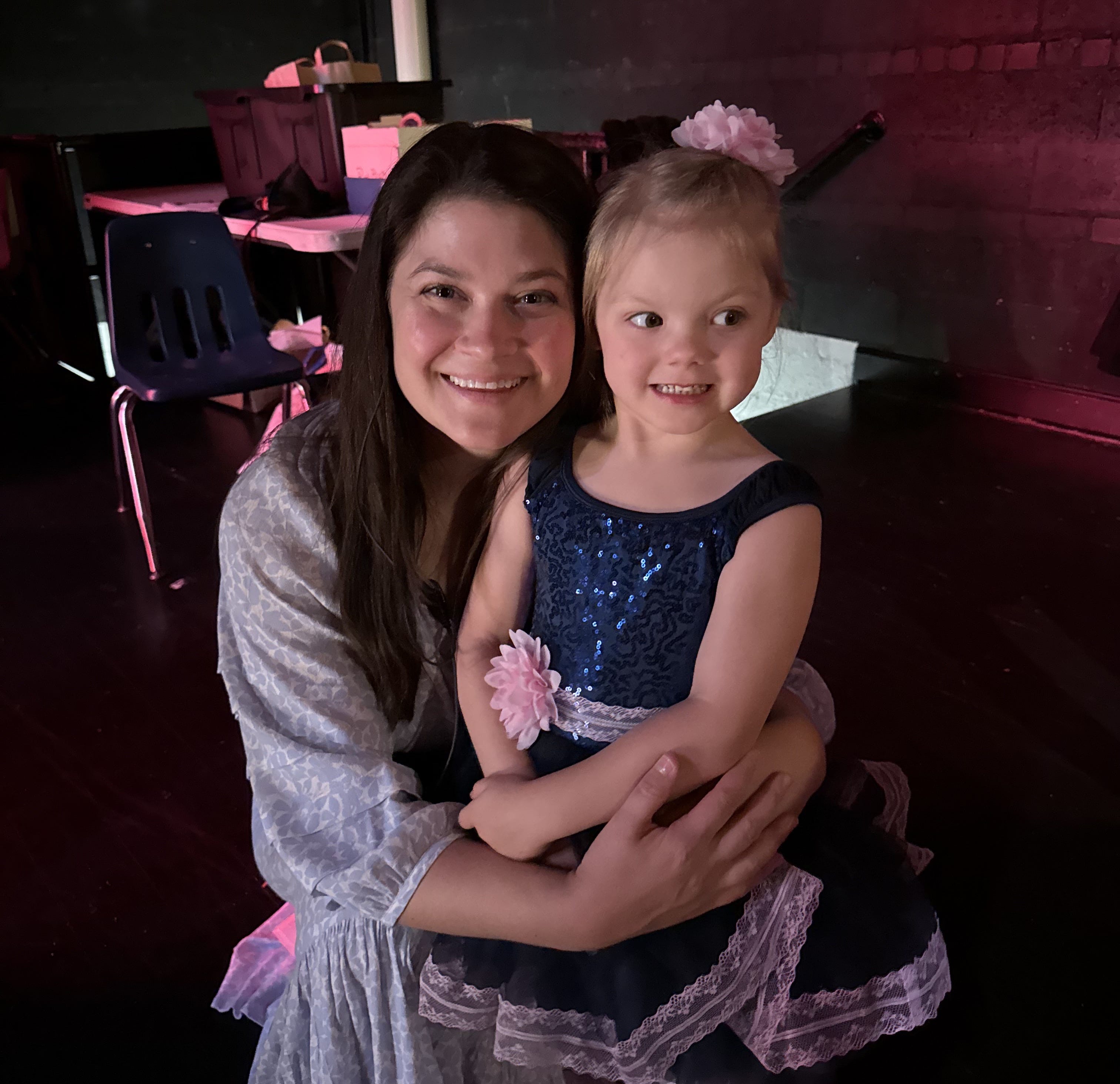
Jordan Karas has a similarly personal connection to the studio.
She began dancing there at 4 years old in the 1990s, when it was still known as the Peggé Lee School of Dance, and remained for 14 years. Karas studied ballet, tap and jazz before later learning modern and hip hop after those styles were introduced during her senior year.
That same year, the studio relocated from the longtime Davidson Drive basement to its current Poplar Tent Road location.
“It was a little bittersweet — it was exciting, but it was kind of sad,” Karas said of leaving the basement studio behind.
Still, she appreciated how the move allowed the studio to grow and gave students more space and opportunities.
Karas especially connected with modern dance, which ultimately inspired her to study dance education at Appalachian State University.
“It was an everyday part of my life,” Karas said about the studio.
She credited instructor Jayme Yodice, who introduced her to modern dance, along with instructors such as Flora, who taught her hip hop, with inspiring her to continue pursuing dance.
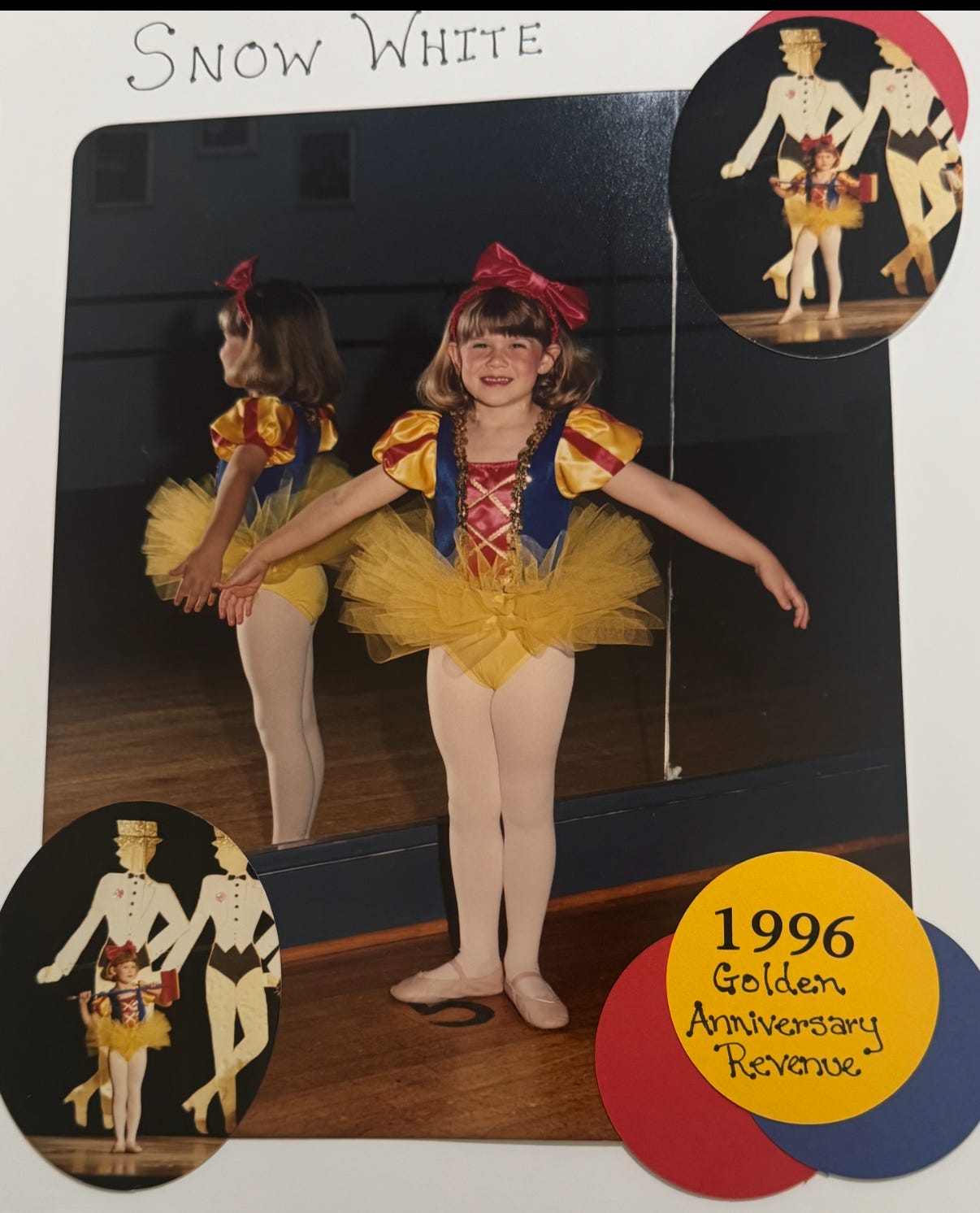
After graduating from college and moving back to Concord, Karas received a phone call from Tammy Jordan — a moment that mirrored Jordan’s own experience years earlier with Miss Peggé.
Jordan asked whether Karas would be interested in teaching at the studio.
“I was like, ‘I would love to come and try if you all would have me,’” Karas recalled.
Though she already worked full time in public health, Karas began teaching younger students at the studio in 2014 and never left.
Today, she teaches intermediate modern dance classes while also assisting with younger students.
Now a mother of two, Karas said she enjoys watching her own daughters experience the same love of dance she discovered as a child.
Her oldest daughter, 4-year-old Estelle, recently completed her second year at the studio, while her youngest, 2-year-old Emmelia, is expected to begin next season.
As for Estelle, she said she enjoys “dancing ballet and she loves her teachers.”
“It’s really amazing to see that not only did I grow up and dance at the studio … but I’m now teaching there and now my daughters are dancing there,” Karas said. “It’s just amazing to see that come full circle.”
For Karas, the studio’s success has always come back to one central idea.
“Cabarrus Dance Academy really thrives in teaching the joy of dance,” she said.
Carrying the legacy forward
When asked what the studio’s 80th anniversary means to her, Tammy Jordan said she doesn’t think about the milestone in terms of years.
“When I think about this anniversary, I don’t think about a number. I think about people,” Jordan said. “I think about the little girl who overcame her fears and fell in love with dance. I think about Miss Peggé who inspired me, mentored me and eventually entrusted me with her life’s work. I think about the thousands of students who have passed through our doors, the dedicated teachers who have shared their talents, and the families who trusted me with their children.”
“This studio has been much more than a business to me,” she added. “It has been my second home, my passion, my purpose and my life’s work.”
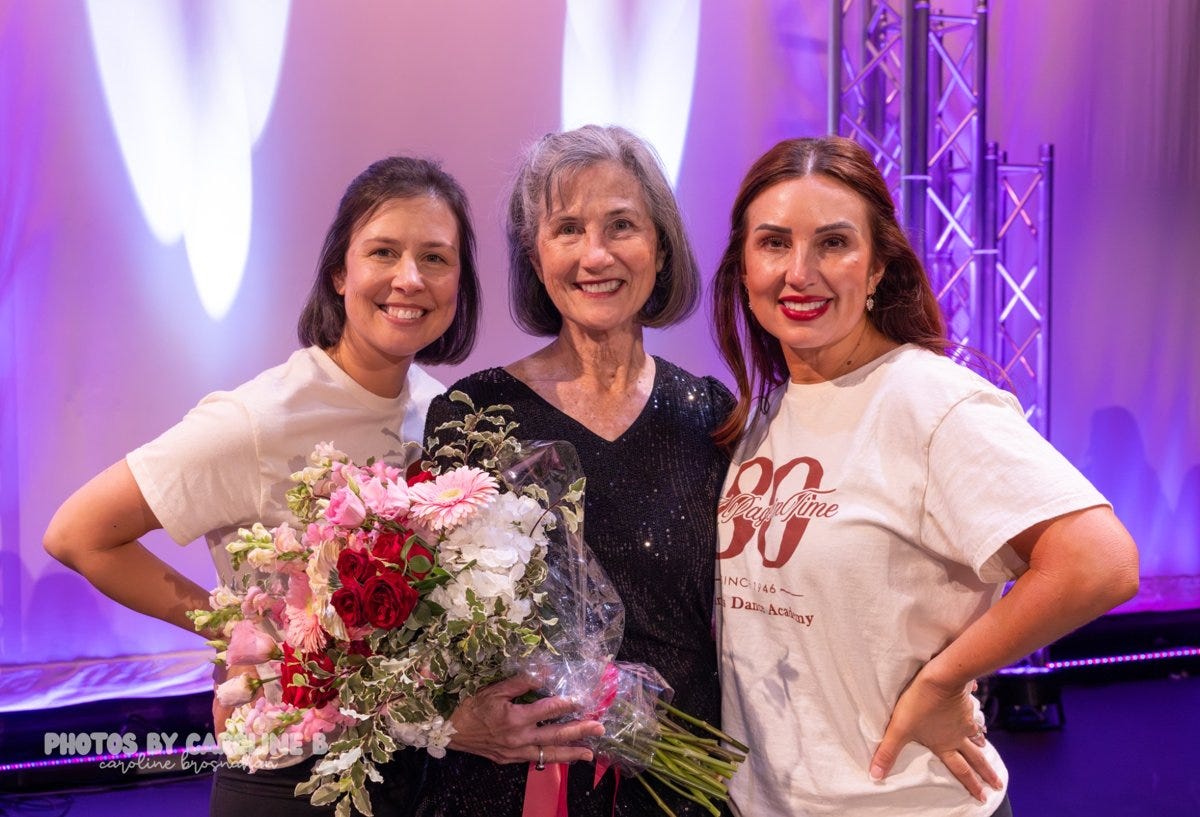
Jordan said one of the most rewarding parts of her life has been watching her daughters help carry the studio into its next chapter.
With the studio’s 80th anniversary celebration now complete following the annual recital, Jordan said she plans to gradually step aside and allow Flora and Wedner to lead the studio into the future.
“When I see what they are doing with the school, it just brings tears to my eyes,” Jordan said. “I’m just amazed and I’m just so proud.”
Though most current staff members and younger dancers never personally knew Miss Peggé, reminders of her legacy remain throughout the studio.
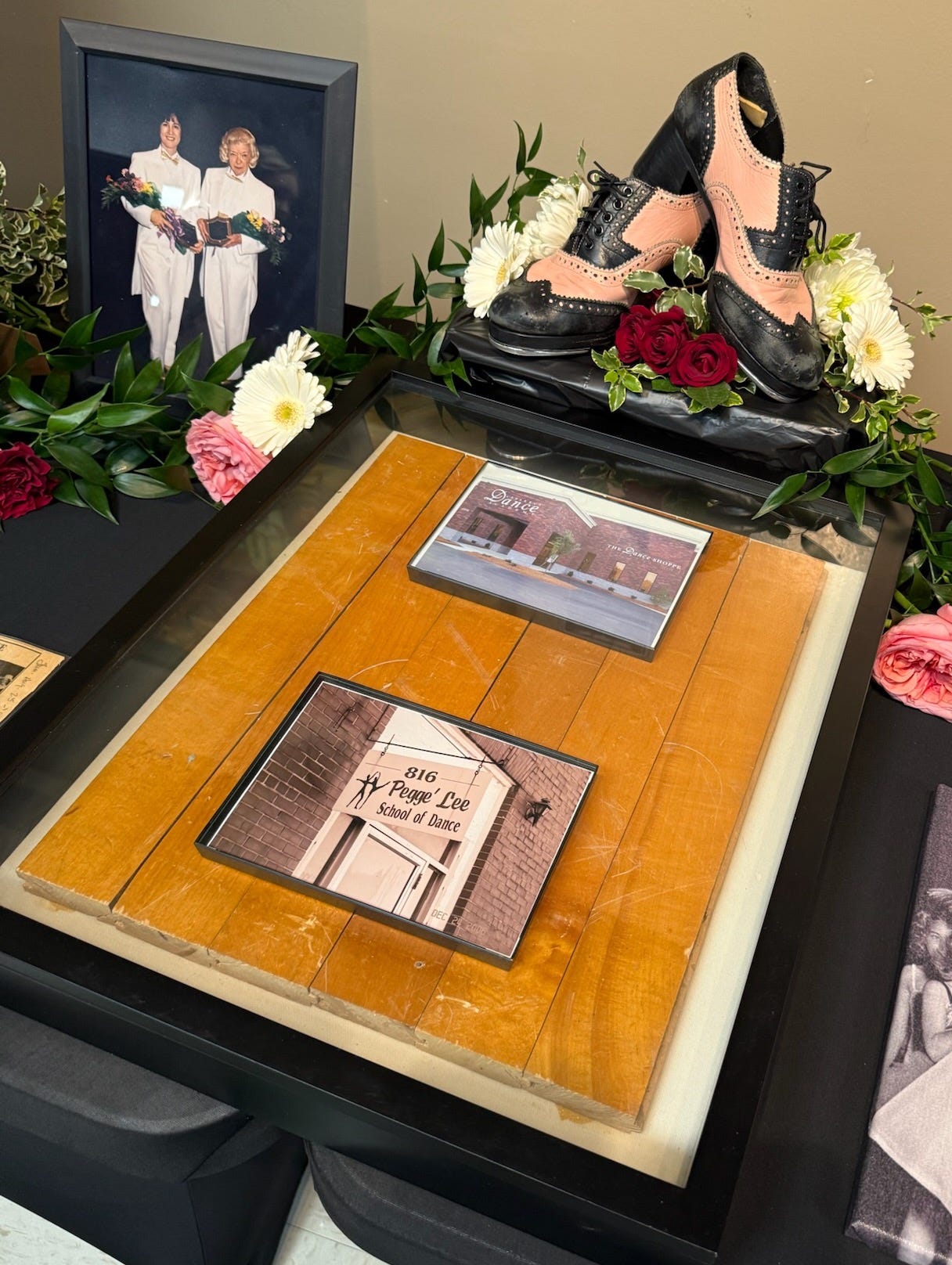
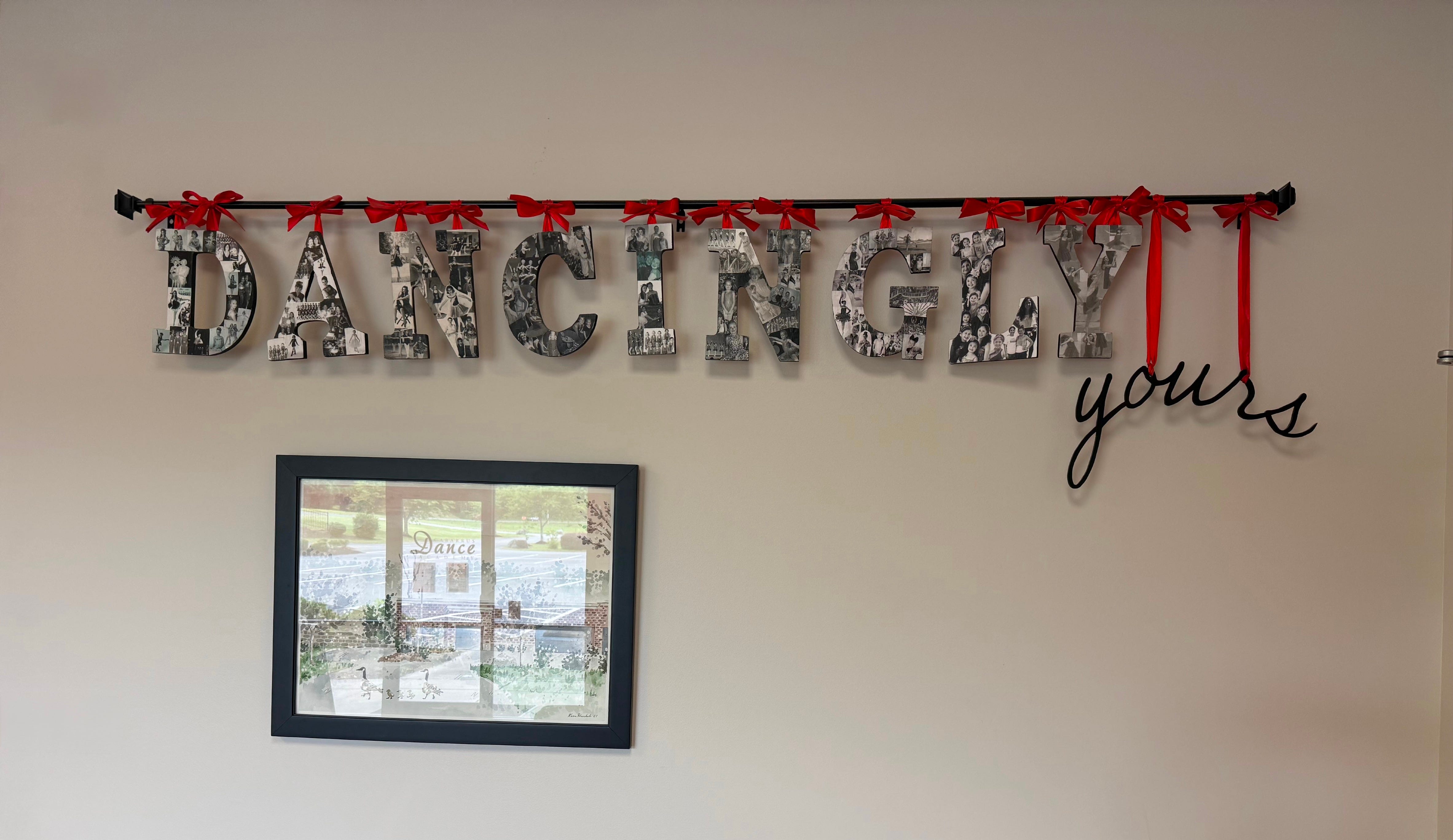
A framed piece of flooring from the original studio hangs on the wall alongside a childhood photo of Jordan in her dance attire standing beside Haywood. Elsewhere, an image displays “Dancingly Yours,” the phrase Haywood famously used to sign everything.
For Jordan, preserving those connections matters deeply.
There would be no Cabarrus Dance Academy without the Peggé Lee School of Dance first coming before it.
A friend recently told Jordan something she has never forgotten.
“Tammy, you don’t realize you’re living your legacy.”