

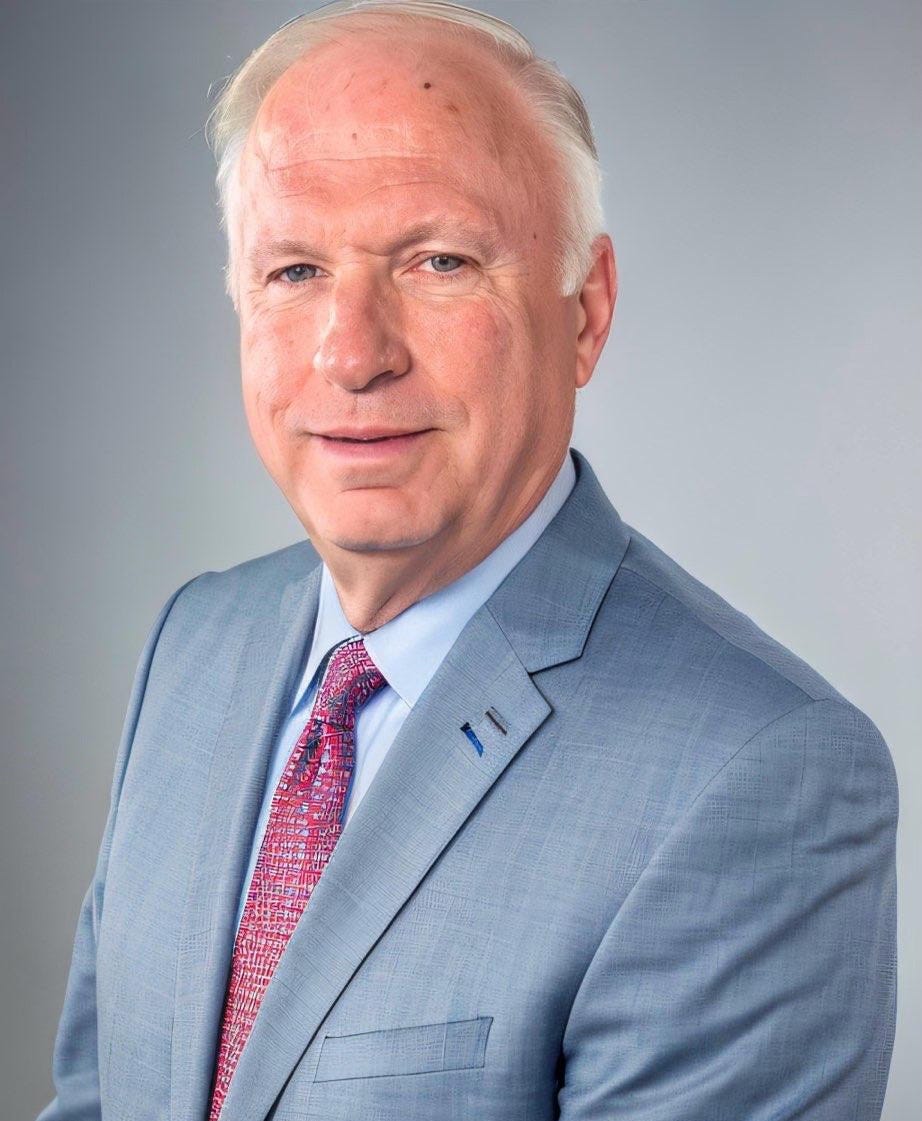
William Barbee is one of five Republicans running in the primary for three seats on the Cabarrus County Schools Board of Education. Here are his answers to questions from The Cabarrus Compass.
1. Please tell us about your background and your connection to Cabarrus County Schools. Do you currently have, or have you previously had, children enrolled in the district?
My wife and I and our children attended Cabarrus County Schools. Presently we have four grandchildren in the public school system. I have a degree in Business Administration. I also have a Project Management and Construction Management certifications. I am a local small business owner of S and B Real Estate, LLC.
2. What motivated you to run for the Cabarrus County Schools Board of Education, and do you have any prior experience in elected office or public service?
With grandchildren in the Public Schools, I want to ensure they and all children receive a quality education while maintaining a safe environment to learn in.
3. What qualifications, skills, or experiences best prepare you to serve as a school board member?
My background in business and professional experience with a Fortune 100 company have prepared me well to serve as a school board member. I bring a strong understanding of budgeting, strategic planning, and accountability- skills that are essential when overseeing public funds, and making long term decisions for a for a large organization like a school district.
Working in a corporate environment taught me how to analyze data, manage complex projects, collaborate with diverse teams, and make decisions that balance performance, efficiency, and people
4. Is there a specific issue or set of concerns within public education that most motivates you to seek a seat on the Board of Education?
What motivates me most is making sure every student is truly prepared for life after graduation. I’m concerned that too many decisions in public education are driven by short-term metrics instead of long-term outcomes. Students need strong fundamentals in reading, math, and critical thinking, plus real exposure to career pathways, financial literacy, and civic responsibility. When schools do that well, families thrive and communities grow.
I’m also deeply motivated by supporting teachers and staff. We can’t expect great outcomes if we don’t invest in the people doing the work — through competitive pay, manageable workloads, and respect for their professionalism. That combination — student readiness, educator support, and responsible governance — is what drives me to serve.
5. How do you define equity and inclusivity in public education, and what steps would you support to ensure all students have the opportunity to succeed?
To support equity and inclusivity, I would focus on a few practical, student-centered steps:
High expectations for all students
Equitable resource allocation
Strong support for educators
Family and community engagement
Safe, respectful school climates
At its core, equity and inclusivity are about opportunity: making sure every student — no matter their circumstances — has a real chance to learn, grow, and graduate prepared for college, career, or skilled trades.
6. What role should parents play in decision-making at the school and district level, and how would you work to improve communication and trust between families and Cabarrus County Schools?
Parents shouldn’t be spectators in public education. At both the school and district level, families bring real-world insight about what’s working, what isn’t, and how policies affect students day to day.
The focus should be on creating a culture where parents feel informed, respected, and genuinely heard. When families trust the system, students benefit — and that’s the outcome everyone wants
7. In your view, what are the most significant issues currently impacting students and parents in Cabarrus County Schools, and why?
Rapid population growth in Cabarrus County has led to crowded classrooms and stretched resources. This affects workload, class sizes, and the overall learning environment. Safety is high on parents’ minds.
8. If you could make one immediate change within the school system, what would it be and what impact would you expect it to have?
Streamline administrative tasks, reducing redundant reporting, and giving teachers protected planning and collaboration time during the workday. The impact would be:
Stronger classroom instruction
Improved teacher retention
More consistent support for students
Better use of taxpayer dollars, with resources going directly into classrooms.
9. How would you approach balancing academic performance, student well-being, and fiscal responsibility when making decisions as a school board member?
This requires disciplined decision-making, clear priorities, and a focus on long-term outcomes rather than short-term pressures. By staying focused on outcomes rather than optics, a school board can strengthen academic performance, support student well-being, and remain accountable to taxpayers — without sacrificing one priority for another.
10. School board members often face disagreements on policy and priorities. How would you approach conflict resolution and collaboration among board members?
I would approach conflict with respect, preparation, and a focus on shared goals. By listening actively, relying on data, and keeping student outcomes at the center, I’d work to find common ground, encourage civil dialogue, and build consensus that serves students, staff, and the community.
11. Individual board members have no independent authority, as decisions are made collectively. What personal traits or skills would allow you to contribute effectively to the board as a whole?
I bring a collaborative mindset, strong listening skills, and a data-driven approach to decision-making. My background in business and planning helps me evaluate trade-offs, ask the right questions, and focus on long-term impact. I respect governance roles, value diverse perspectives, communicate clearly, and remain focused on what best serves students, families, and taxpayers rather than personal agendas
12. After your first full year in office, what benchmarks or outcomes would you point to as evidence that you have made a meaningful impact?
Key benchmarks would include clear, board-approved goals tied to improved student achievement which include literacy and math growth. Improved transparency and fiscal accountability. Trust and engagement from families and staff with consistent communication and constructive community feedback, would signal that the board is moving the district in the right direction.