

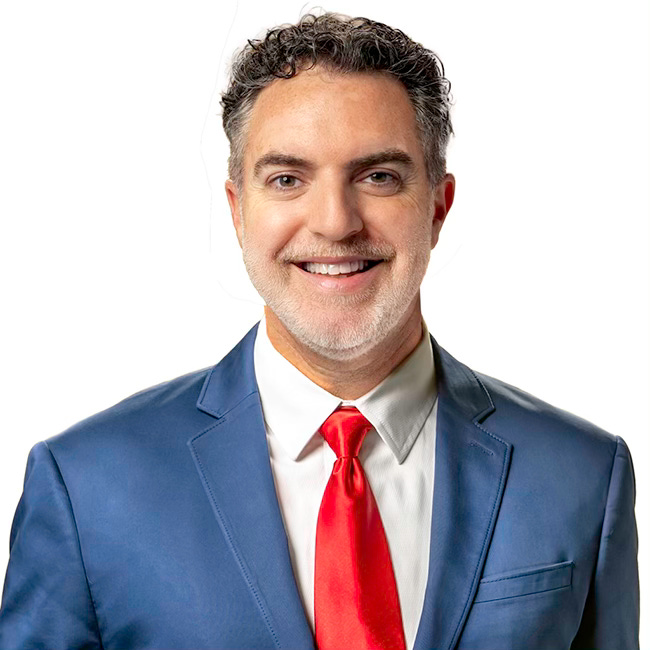
David Conrad is one of eight Republicans running in the primary for three seats on the Cabarrus County Board of Commissioners. Here are his answers to questions from The Cabarrus Compass.
1. Please tell us about your background and your connection to Cabarrus County. How long have you lived in the county, and what ties do you have to the community?
I have lived in Cabarrus County for 21 years. During that time, I have raised a family, owned and operated small businesses and stayed actively involved in the community through my church and local organizations.
I currently serve as president of my homeowners association, overseeing budgets, reserves and infrastructure planning. I also serve as a GOP precinct chair and county delegate, giving me direct insight into the concerns of Cabarrus County residents.
2. What motivated you to become involved in public service and to run for the Cabarrus County Board of Commissioners at this time?
Our county is growing quickly and growth brings real financial consequences if it isn’t managed responsibly. I’m running because I believe the county needs common-sense leadership that respects tax dollars, plans for long-term needs and keeps government limited and accountable.
3. What qualifications, skills, or experiences do you believe best prepare you to serve as a county commissioner?
I bring real-world experience managing budgets, planning ahead and making decisions where the numbers have to work. As a marketing professional, I manage expenses and drive growth with a clear expectation of return on investment.
That same discipline should apply to county government. As an HOA president, I oversee budgets, reserves and infrastructure planning while aggressively controlling costs.
4. What role do you believe county government should play — and should not play — in economic development, land use, and public-private partnerships?
County government should focus on infrastructure readiness, thoughtful land-use decisions and responsible planning. It should not overextend itself through excessive incentives or pick winners and losers.
Public-private partnerships should be limited, carefully evaluated and structured so taxpayers are protected and long-term risk stays with the private sector. Economic development should strengthen the tax base without shifting future costs onto residents.
5. In your view, what are the most significant issues currently impacting Cabarrus County residents, and why?
Rising taxes and unmanaged growth are the most significant issues facing residents. When growth isn’t planned carefully, it strains infrastructure and increases costs. People want common-sense leadership that understands the impact of those decisions.
6. According to the U.S. Census, Cabarrus County’s population has grown from approximately 178,000 in 2010 to about 250,000 today. How would you approach managing continued growth while preserving quality of life for residents?
Growth should be planned, paced and aligned with infrastructure capacity. I support protecting existing neighborhoods, coordinating development decisions and avoiding short-term choices that create long-term tax burdens. Growth should improve quality of life, not erode it.
7. What do you see as the county’s most urgent infrastructure or capital needs over the next several years, and how should these needs be addressed?
Water and sewer capacity and school facilities are among the county’s most urgent needs. As growth continues, both systems are nearing capacity and require careful planning. These investments should be prioritized, phased responsibly and funded in a way that protects taxpayers and avoids unnecessary debt.
8. If elected, which area or function of county government would you prioritize for increased attention, and what specifically would you hope to improve?
I would prioritize financial oversight and long-term planning. That means reviewing spending increases, evaluating programs regularly and keeping county government focused on core responsibilities that benefit taxpayers.
9. What is one decision or action taken by the current Board of Commissioners that you believe was handled well, and one area where the board should improve?
The board made a responsible decision last November by declining to allocate county tax dollars to fund nonprofit programs during the temporary suspension of SNAP benefits.
While helping families in need is important, the county must be careful not to expand government beyond its core responsibilities or create new taxpayer-funded obligations.
An area for improvement is economic incentive policy. I believe the county should lower its economic grant ceiling from 80 cents to 50 cents to better protect taxpayers while still remaining competitive.
10. Do you support maintaining current tax rates, lowering them, or making changes to the county’s tax structure? Please explain your position.
I’m an advocate for lowering taxes, but with a projected budget deficit of more than $13 million, that isn’t a realistic option in the near term. What the county can and should do is control spending and work to maintain the current tax rate. That approach helps protect seniors on fixed incomes and working families without expanding government programs.
11. County budgeting involves difficult trade-offs, and projections show a roughly $13.7 million deficit in FY 2027. If elected, how would you approach setting spending priorities, evaluating potential reductions or revenue options, and closing the projected deficit while maintaining essential county services?
A projected deficit means the county has to slow down and take a hard look at how money is being spent. I would start by reviewing spending growth line by line, separating core services from programs that have expanded beyond the county’s role.
Not everything can grow every year, especially when revenues are tightening. The goal is to protect essential services while ensuring spending decisions are sustainable.
12. If elected, what would be your top priorities during your first year in office, and how would they align with your approach to budgeting and financial management?
My first-year priorities would be keeping spending under control and planning ahead as the county continues to grow. That means taking a close look at existing programs, prioritizing core services and making sure financial decisions are sustainable. Taxpayers shouldn’t be asked to cover unchecked spending.