

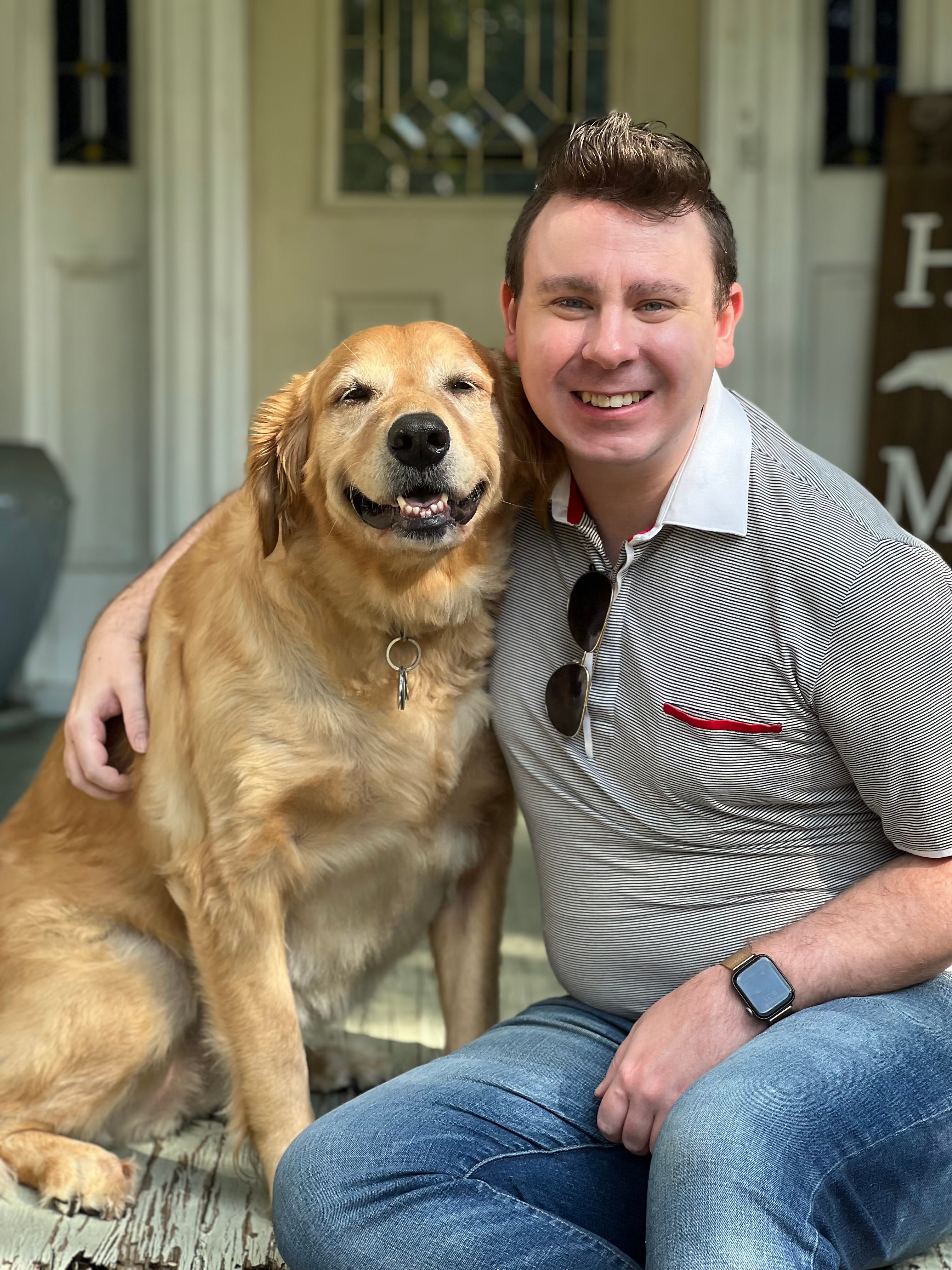
Thomas Monks is one of two Democrats in the primary for N.C. House of Representatives District 73. The other Democratic candidate, Kim DeLaney, died last week, though her name will still appear on the ballot. Below are Monks’ responses to questions from The Cabarrus Compass.
1. Please tell us about your background and your connection to the district you are seeking to represent. How long have you lived in the district?
I’ve been a resident of Concord, NC for 10 years. Me and my mother chose this place as our home because of the sense of community we felt when we came to visit local businesses. I’ve been a resident of NC since 2007, attending high school here, and returning home on and off while I was on breaks from college.
2. What motivated you to run for the North Carolina General Assembly at this time?
I had been mulling it for a really long time, mostly in the abstract. But in 2024, I knew I wanted to really do it. I had too many conversations with people who felt so disconnected from their representation, and I want to fight for them.
3. What personal, professional, or civic experiences do you believe best prepare you to serve as a state legislator?
I am a listener and a coordinator. I want to bring people to the table. From door knocking as a field organizer to my day-to-day job in marketing, I listen and share people’s stories to help people connect. We need a legislature that is going to connect with the people.
4. What distinguishes you from your general election opponent, and why do you believe you are the most qualified candidate for this seat?
I think the biggest thing that differentiates me from my general election opponent is that I have a willingness to sit down and listen and learn from people from every view point. We need leadership who will bring people together and build consensus. I know that we have to be able to work across the aisle and speak for those who vote for us and those who don’t.
5. In your view, what are the most significant issues currently impacting residents of your district, and why?
It’s affordability. At every level: health care, housing, groceries. People are being priced out of the places they’ve called home for generations.
6. If elected, how do you believe you can most effectively advocate for your district’s needs in Raleigh?
I believe I can most effectively advocate for this district in Raleigh because I am willing to sit down and build bridges. Working to make sure that people from every part of the state understand what our needs are and how we can work to meet them.
7. What should be the top legislative priorities for North Carolina over the next two years, and where does your district fit into those priorities?
Tackling affordability from housing to wages. I also believe we need to be working to strengthen the state of our public schools, especially paying and supporting our teachers.
8. How do you approach balancing fiscal responsibility with the need to invest in public services such as education, infrastructure, and public safety?
We need to make sure we are paying for the things we need and want. I believe that we need to have a balanced budget, and that we aren’t leaving debt for our next generation, but I also believe that we must provide the resources people need to live healthy, successful lives.
9. What role should state government play versus local government, and are there areas where you believe local communities need more control?
I believe that when it comes to zoning, planning, and the future that should be a local decision no one knows a city or county better than those who run those local governments. We should not be forcing unfunded mandates on them. Ultimately it is a partnership, the state should be in its lane and localities should be in theirs.
10. Cabarrus County continues to experience rapid growth. What steps should the state take to help fast-growing communities manage growth while maintaining quality of life?
We should be helping fund infrastructure. Building out roads, expanding access to water and sewer. We want to see well managed growth in the state, and even more importantly at our city and county levels. But, I believe that we have to consult those local governments on what they want and what they need and how we can work together to make it all happen.
11. How do you plan to engage with constituents and remain accessible to residents throughout your term, not just during election season?
This is super important to me. I hate people who are everywhere you need them to be during an election cycle, but not once they’ve been elected. I want to hold at least quarterly town halls, especially in partnership with local organizations that bring together different groups of people.
I want to be able to be reached at my office and in the district. I want people to feel that when they call or email that they aren’t just a tally mark, but actually having an influence on their representation.
12. At the end of your first term, what outcomes would you point to as evidence that you have been an effective representative for the district?
There are so many factors that go into this. Every politician makes a load of promises, but they are just one of 120 voices in the room. The bar is how much of legislation that is backed in principle by the conversations I have with constituents in the district is able to make it to the floor of the house and ultimately to the governor's desk.
But I also believe that the conversations with the people of District 73 will be the true telling of whether I have been an effective representative.
Great piece on Thomas, Chris.